Introduction
Have you ever noticed how your breathing changes when you’re stressed?
It becomes quick and shallow. Your shoulders tighten. Your heart races, and your mind feels like it won’t slow down.
Now think about the last time you felt calm. Your breathing was probably slower, deeper, and more relaxed without you even realizing it.
This isn’t a coincidence. Your breath and your nervous system are deeply connected. In fact, your breath is one of the few tools you can use to directly influence how your body responds to stress.
As more people search for natural ways to improve their mental, emotional, and physical well being, breathwork has become one of the fastest growing wellness practices. It’s simple, accessible, and backed by both modern research and centuries of traditional healing practices.
In this article, we’ll explore how breathwork supports nervous system regulation, why it has become such a powerful tool for emotional healing, and how even a few intentional breaths can begin shifting the way you feel.
What Is Breathwork?
Breathwork is the practice of consciously changing your breathing pattern to support your physical, emotional, and mental well being.
Unlike the automatic breathing that keeps us alive throughout the day, breathwork invites you to become aware of your breath and use it with intention.
There are many forms of breathwork, ranging from simple breathing exercises you can practice at home to guided experiences that encourage deep emotional release and self discovery.
No matter the technique, the purpose remains the same: helping you reconnect with your body while calming the mind.
Understanding Your Nervous System
To understand why breathwork is so effective, it helps to know a little about your nervous system.
Your autonomic nervous system controls many of the body’s automatic functions, including breathing, heart rate, digestion, and your response to stress.
It has two primary states.
The Fight or Flight Response
When your brain senses danger or prolonged stress, it activates the sympathetic nervous system.
You may notice:
- Faster breathing
- Increased heart rate
- Muscle tension
- Racing thoughts
- Anxiety
- Difficulty sleeping
This response is helpful during real emergencies, but modern life often keeps people in this state far longer than necessary.
The Rest and Restore Response
The parasympathetic nervous system helps your body recover after stress.
When this system is active, your body can:
- Slow the heart rate
- Relax muscles
- Improve digestion
- Support better sleep
- Increase feelings of safety
- Promote emotional balance
One of the quickest ways to encourage this calming response is through intentional breathing.
How Breathwork Helps Regulate the Nervous System
Every slow, conscious breath sends signals to your brain that you’re safe.
As your breathing slows, your heart rate begins to settle, muscles soften, and stress hormones gradually decrease.
This doesn’t mean life’s challenges disappear.
It means your body responds to them differently.
Instead of reacting automatically, you begin responding with greater calm and clarity.
Over time, regular breathwork can help train your nervous system to recover from stress more efficiently.
The Emotional Side of Breathwork
Many people begin practicing breathwork hoping to reduce stress.
What often surprises them is the emotional healing that can follow.
Our bodies store emotional experiences in ways we don’t always recognize.
Old grief, fear, disappointment, or unresolved emotions can remain beneath the surface, quietly influencing how we think, feel, and react.
During guided breathwork sessions, people sometimes experience:
- Emotional release
- Greater self awareness
- Increased clarity
- Feelings of peace
- Deep relaxation
- Renewed energy
Everyone’s experience is unique, but many describe feeling lighter afterward, as though they’ve released something they didn’t realize they were carrying.
Why Breathwork Is Becoming So Popular
In today’s busy world, people are looking for natural ways to care for both their minds and bodies.
Breathwork requires no expensive equipment and can be adapted to almost any lifestyle.
Many people appreciate that it helps them:
- Reduce daily stress
- Improve focus
- Feel calmer during difficult situations
- Sleep more peacefully
- Strengthen emotional resilience
- Create moments of stillness throughout the day
Because of these benefits, breathwork has become increasingly popular among professionals, parents, athletes, students, and anyone seeking greater balance.
Breathwork and Mindfulness Work Together
Breathwork naturally encourages mindfulness.
Instead of focusing on yesterday’s worries or tomorrow’s responsibilities, your attention returns to what’s happening right now.
This simple shift helps quiet mental noise while creating space for greater awareness.
Many people find that combining breathwork with meditation or reflective practices deepens both experiences.
Can Beginners Practice Breathwork?
Absolutely.
One of the greatest benefits of breathwork is its accessibility.
You don’t need previous experience to begin.
Even spending five minutes focusing on slow, steady breathing can help create noticeable changes in how you feel.
As your confidence grows, you may choose to explore guided sessions led by experienced practitioners who can safely support deeper experiences.
The Difference Between Everyday Breathing and Guided Breathwork
Simple breathing exercises can be incredibly helpful for managing daily stress.
Guided breathwork sessions, however, often create a more immersive experience.
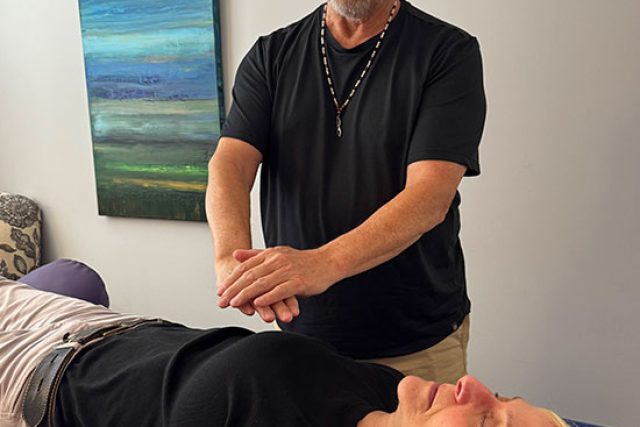
Through intentional breathing, carefully selected music, and a supportive environment, participants may access deeper levels of emotional awareness, personal insight, and healing.
Many people describe these guided experiences as opportunities to reconnect with themselves in ways they hadn’t expected.
Creating Space for Healing
Healing doesn’t always require finding all the answers immediately.
Sometimes it begins by slowing down long enough to notice what’s happening inside.
Breathwork creates that opportunity.
It allows your body to relax, your mind to become quieter, and your nervous system to remember what safety feels like.
For many people, that simple shift becomes the beginning of meaningful transformation.
Final Thoughts
Your breath has been with you since the day you were born.
Yet most of us rarely think about the powerful role it plays in our physical and emotional well being.
Learning to breathe with intention isn’t about escaping life’s challenges. It’s about developing a healthier relationship with them.
As your nervous system becomes more balanced, you may find yourself feeling calmer, thinking more clearly, and responding to life’s ups and downs with greater resilience.
If you’re curious about exploring breathwork more deeply, guided experiences can provide a supportive environment for self discovery, emotional healing, and personal growth.
Thomas Capshew has been teaching and facilitating meditation and breathwork for over 20 years. He can help you assess which type of breathwork might bring the most transformation for you, whether it is diaphragmatic breathing, cyclic sighing, Exstasis Meditation, or Shamanic Breathwork. All of his work offers participants a safe and compassionate space to explore the healing potential of conscious breathing while reconnecting with their own inner wisdom.